A festive pantry runs on about twenty ingredients, and roughly half of them never appear in an ordinary month. Pure ghee, besan, sooji, jaggery, mishri, makhana, sendha namak, green cardamom, saffron and a stock of dry fruits cover most of what Indian kitchens cook between Navratri and Chhath. The 2026 run is dense: Navratri from 11 October, Dussehra on 20 October, Karva Chauth on 29 October, Diwali on 8 November and Chhath across 13 to 16 November. Stock once, properly, and the next six weeks stop involving emergency grocery runs.
Festive cooking fails for boring reasons. Somebody discovers the besan went rancid, or the ghee tin runs dry halfway through a ladoo batch, or nobody remembered that fasting days need rock salt instead of the regular kind. None of that is a skill problem. It is a stocking problem, and it has a straightforward fix.
Key Takeaways
- Stock essential festive ingredients early to simplify cooking throughout Navratri, Diwali, and Chhath.
- Keep ghee, besan, jaggery, dry fruits, and spices ready for traditional festive recipes.
- Store flours, dry fruits, jaggery, and ghee correctly to maintain freshness and prevent spoilage.
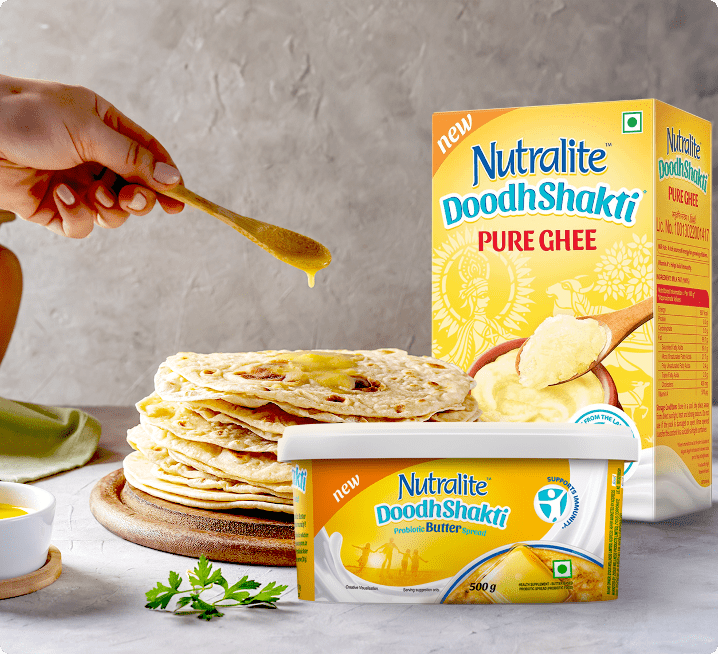
- Nutralite Doodhshakti Pure Ghee complements festive sweets, while Nutralite spreads simplify quick snacks and desserts.
Why do festive months need a different pantry?
Everyday Indian cooking draws on a fairly stable set of ingredients. Festive cooking breaks that pattern in three directions at once, and each one catches households out differently.
Sweets arrive first. Besan, sooji, khoya, jaggery and ghee turn into daily ingredients overnight, and the quantities jump sharply. A household that uses 200g of ghee in a normal month can easily go through a full litre across Navratri and Diwali together.
Fasting days pull in a second set entirely. Sendha namak replaces table salt, kuttu and singhara atta replace wheat, and sabudana and makhana carry most of the actual eating. None of these sit in a regular pantry, and all of them disappear from local shops in the week before Navratri.
Guests create the third demand. People drop in without warning across the whole season, which means something needs to reach the table in ten minutes at any hour. That is a different problem from cooking prasad, and it calls for different stock.
The festive pantry checklist
Quantities below assume a household of four cooking through the full season rather than a single festival. Scale accordingly.
Fats and dairy
- Pure ghee, 1L. The season’s single most-used ingredient.
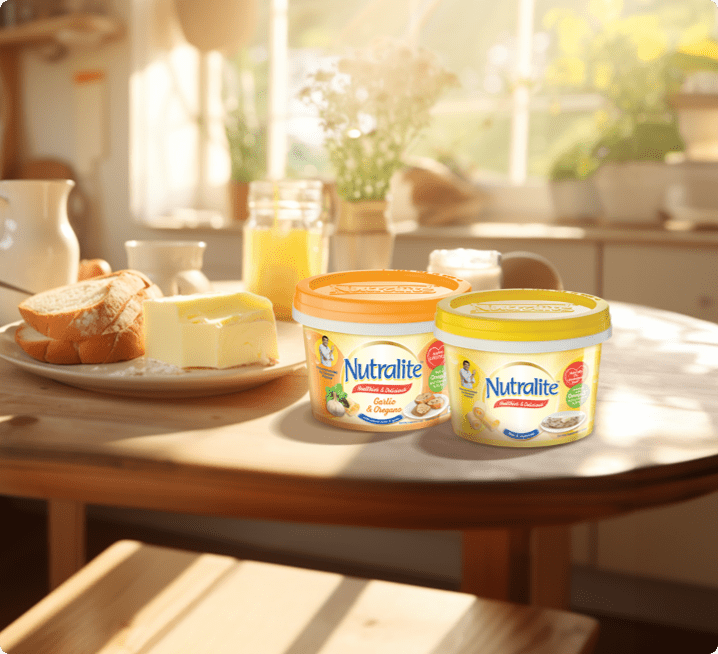
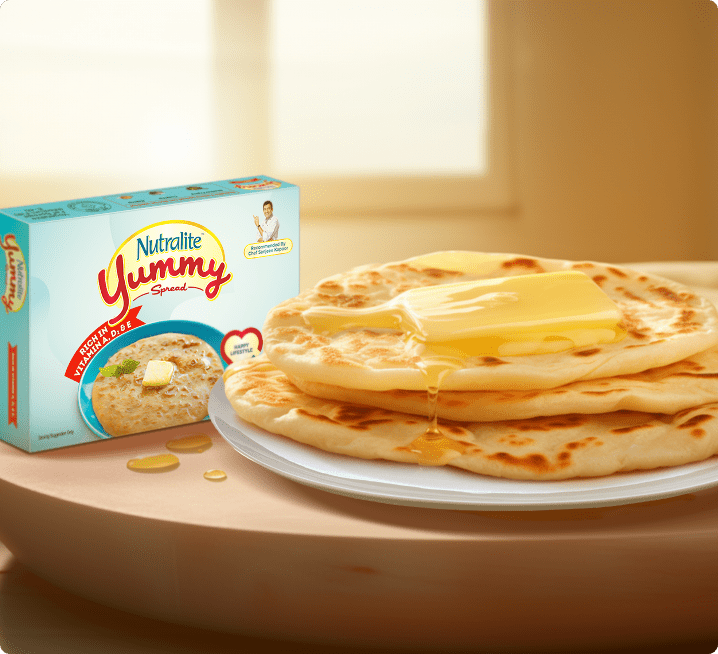
- Butter spread, 500g, for breakfasts and the quick savoury cooking around the sweets.
- Full-fat milk, bought fresh. Kheer and rabri both need it and neither tolerates toned milk well.
- Khoya or mawa, bought same-day. This one refuses to keep, so plan the purchase around the cooking date.
Flours and grains
- Besan, 1kg
- Sooji, 500g
- Maida, 500g
- Rice flour, 250g, for South Indian sweets and Chhath laddu
- Kuttu atta and singhara atta, 500g each, for fasting days
Sweeteners
- Jaggery, 1kg, as a block rather than powder
- Mishri, 250g
- Sugar, 1kg
Dry fruits and seeds
- Mixed almonds, cashews and pistachios, 500g, bought whole
- Raisins, 200g
- Makhana, 200g
- Melon seeds and poppy seeds, 100g each
Fasting-specific
- Sendha namak, 250g
- Sabudana, 500g
- Samak rice, 250g
The shortcut shelf
Buy the dry fruits whole and chop them as each recipe needs. Pre-chopped packs cost more, go stale faster, and lose the oils that make them worth adding in the first place.
Essential spices for the festive pantry
Festive sweets lean on a narrow, specific set of spices, and most of them barely feature in everyday cooking. Six cover almost everything.
Green cardamom does the heaviest lifting. Kheer, ladoo, halwa, peda and barfi all want it, and freshly crushed pods beat ready-made powder by a wide margin. Buy 50g and crush as needed.
Saffron follows, in small quantity. A gram goes a long way, and it matters most in kheer, rabri and anything milk-based where the colour carries as much as the flavour.
Cinnamon, cloves and nutmeg handle the savoury festive cooking, particularly pulao and the richer gravies that accompany a celebration thali. Nutmeg in particular turns up in Bengali and Maharashtrian sweets too.
Kewra water and rose water round out the set. Both are cheap, both keep for a year, and a few drops change a plain kheer completely. Most households own neither and regret it around day three of the season.
Where Nutralite fits into a festive pantry
Three Nutralite products earn shelf space across these six weeks, each for a different reason.
Nutralite Doodhshakti Pure Ghee handles the sweets. Besan ladoo, halwa, puri, thekua and malpua all run on it, and the quantities add up faster than most people plan for. It draws its milk from the land of Braj, carries added Vitamin A, and a 1L pack costs ₹660. Nutralite Doodhshakti Cow Ghee covers the same ground at ₹655 with a more pronounced daanedar texture, which suits kheer and peda particularly well.
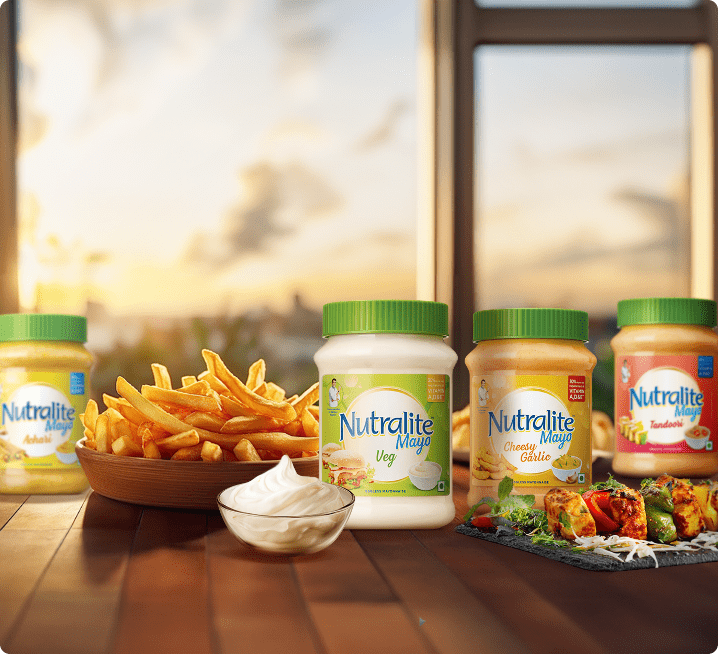
Nutralite Veg Mayo solves the guest problem. Eggless, enriched with vitamins A, D2 and E, and smooth enough to work as a sandwich spread, a dip for whatever savoury snack came out of the kitchen, or a quick mayonnaise sauce folded through boiled vegetables. The flavoured variants extend that further: Nutralite Tandoori Mayo carries smoky tandoori spices and doubles as a marinade, while Nutralite Achari Mayo brings pickle spice to a plain wrap.
Nutralite Choco Spread Crunchy Quinoa covers dessert on the nights when nobody is making anything. It packs protein from superfood quinoa alongside real hazelnuts and rich cocoa, and two slices of toast with it on top counts as a legitimate end to a meal. Nutralite Choco Spread Calcium Enriched works equally well, and two spoons deliver the calcium found in one glass of cow milk.
How to store a festive pantry so nothing spoils
Stocking up early only works if the stock survives until the cooking starts. Four habits make the difference.
Keep besan and rice flour in airtight steel or glass, not the plastic pouch they arrived in. Besan carries more oil than wheat flour and turns rancid within weeks in warm, humid conditions, which is the single most common festive pantry failure.
Store dry fruits in the refrigerator once the pack opens. Almonds and cashews both go soft and stale in open air, and the fridge extends them by months rather than weeks.
Wrap the jaggery block tightly and keep it away from moisture. Exposed jaggery draws water from the air, goes sticky and then becomes genuinely difficult to grate.
Keep ghee at room temperature in a sealed container, away from direct sunlight. Refrigeration makes it rock hard without extending its life meaningfully, and the granular texture suffers.
Buying ahead: what to get when
The festive calendar rewards planning in two waves rather than one large trip.
Buy the dry goods two weeks before Navratri. Flours, jaggery, dry fruits, spices, sendha namak and sabudana all keep well and all vanish from shops in the final week. Prices climb in that week too.
Buy the perishables close to each cooking date. Khoya, paneer, fresh milk and anything with curd in it will not survive a fortnight in storage, however carefully anyone wraps them.
Restock ghee once in the middle. Most households underestimate ghee by roughly half, and running out on the morning of Diwali is a specific kind of avoidable misery.