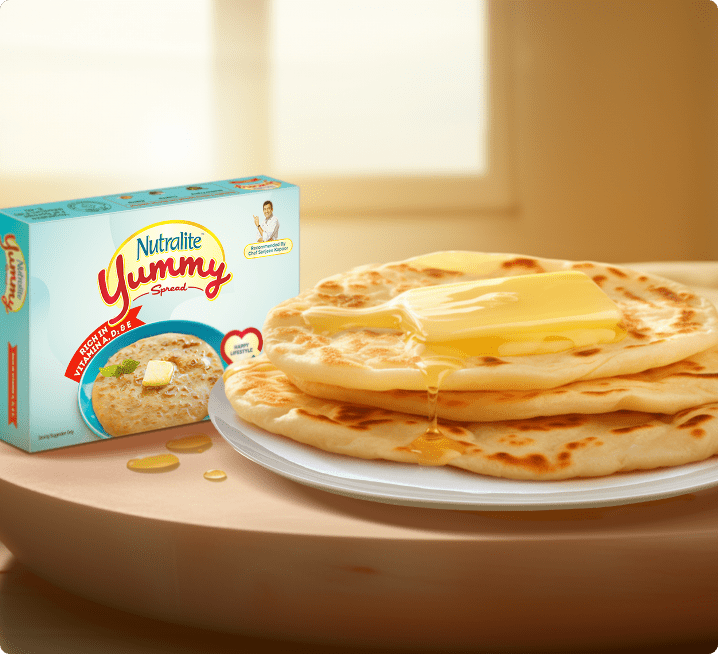
Meal planning tips only earn their place if they survive an actual busy week, so here are eight that do, plus a full 7 day Indian family meal plan built around them. Batch cooking, a repeating weekly rotation, and a couple of reliable pantry staples cover most of what a working household needs, no elaborate system required. Nutralite Activ Spread and Nutralite Veg Mayo show up across the plan for the mornings and evenings when actual cooking isn’t happening.
Indian home dinners rarely stop at one dish. Dal, sabzi, roti, sometimes rice, sometimes a raita too, that’s a normal Tuesday, and it adds up to real decision fatigue by the fourth night of the week. None of the tips below need a weekend locked in the kitchen. Most of it fits into ninety minutes, spread across one prep session.
Key Takeaways
- Batching one base dish, dal, rajma or a gravy, cuts most weeknight dinners down to a fifteen minute reheat.
- A repeating two to three week meal rotation removes the daily “what’s for dinner” decision entirely.
- Indian dinners typically need two or three dishes served together, which makes planning more useful here than in single-dish cooking traditions.
- Nutralite Activ Spread and Nutralite Veg Mayo cover breakfast toast, lunchbox sandwiches and no-cook nights without touching the stove.
- One dedicated shopping day against a written list cuts down on impulse buying and last-minute grocery runs alike.
- Globally, close to a third of all food produced goes to waste, and most of that starts with poor planning at home.
8 meal planning tips for busy Indian families
These aren’t theoretical, they’re the ones that actually hold up once the week gets chaotic.
- Cook once, use twice. Double the dal or sabzi batch on a heavy-cook day, and dinner tomorrow needs ten minutes, not forty.
- Pick a rotation, not a new menu every week. Two or three weeks of meals repeating on a loop removes the daily “what to cook” decision entirely.
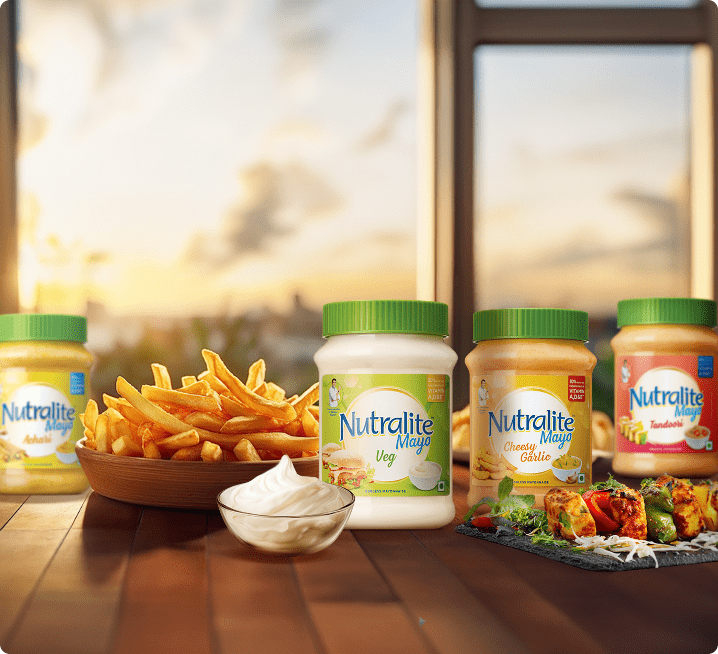
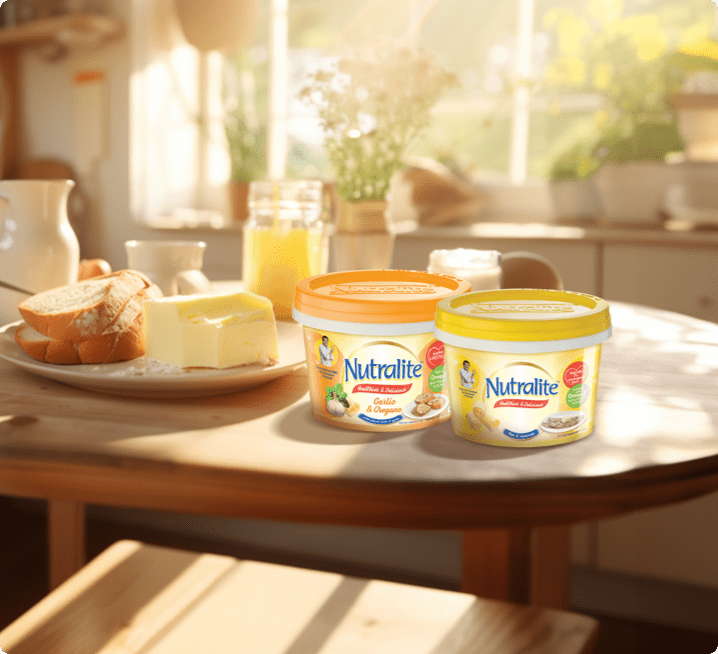
- Stock a few anchor condiments. Nutralite Activ Spread and Nutralite Veg Mayo turn a stack of bread into breakfast or lunch in under five minutes. Nutralite Activ Spread is naturally cholesterol-free, carries Omega-3, and stays free from trans fats. Nutralite Veg Mayo is eggless, vitamin-enriched with Vitamins A, D2, and E, and brings a smooth, gourmet creaminess to a plain sandwich or wrap.
- Prep breakfast the night before, not the morning of. Cut vegetables for poha or upma, soak the dal, or just leave the bread and spread out on the counter ready to go.
- Give the week one no-cook night. Sandwiches or wraps work fine, and it’s one evening the kitchen genuinely gets to rest.
- Shop once, not four times. A single grocery run against a written list beats four small trips. Less impulse buying, fewer forgotten items too.
- Keep a running lunchbox list. Five or six rotating lunchbox items, decided once, save the 7 AM scramble every school morning.
- Write the plan down somewhere visible. A fridge whiteboard or a notes app both work. A plan that only lives in someone’s head gets abandoned by Wednesday.
Why meal planning saves time for Indian households specifically
Indian home cooking rarely means one dish on the plate. Most dinners need a dal, a sabzi, rice or roti, sometimes a raita too, and that’s before anyone’s packed a lunchbox for the next morning. Globally, close to a third of all food produced ends up wasted, and a large share of that starts with poor planning at the household level, buying without a plan, cooking too much, forgetting what’s already in the fridge. A written plan turns that daily scramble into one weekly decision instead of three meals’ worth of decisions, every single day.
Easy meal prep ideas for an Indian kitchen
None of this needs a Sunday spent entirely in the kitchen. An hour, maybe ninety minutes, covers most of it.
- Cook a base dal or rajma-chole gravy in bulk and freeze it in two-meal portions. Thaw and season fresh each time.
- Make extra roti dough over the weekend. It keeps in the fridge for two to three days, wrapped tightly.
- Wash and chop onion, tomato and ginger-garlic paste in one batch. Every quick sabzi starts faster with this already done.
- Boil a batch of rice or sprout a batch of moong. Both work into breakfast, lunch or a quick evening snack without extra thought.
Sample 7 day Indian family meal plan
This rotation works as a starting template. Swap in whatever the family already eats regularly, the structure matters more than the exact dishes.
Day 1
- Breakfast: Vegetable poha, buttered toast with Nutralite Activ Spread
- Lunch: Roti, dal, bhindi sabzi
- Dinner: Leftover dal, jeera rice
Day 2
- Breakfast: Besan chilla, mint chutney
- Lunch: Rajma chawal
- Dinner: Roti, mixed vegetable sabzi
Day 3
- Breakfast: Vegetable upma
- Lunch: Curd rice, pickle
- Dinner: Veg sandwiches with Nutralite Veg Mayo and cheese, no stove needed
Day 4
- Breakfast: Paratha with curd
- Lunch: Chole, rice
- Dinner: Moong dal khichdi
Day 5
- Breakfast: Idli, sambar
- Lunch: Leftover chole wrap with Nutralite Veg Mayo
- Dinner: Paneer bhurji, roti
Day 6
- Breakfast: Uttapam, coconut chutney
- Lunch: Kadhi chawal
- Dinner: Vegetable pizza toast with Nutralite Activ Spread, a kid-friendly no-fuss dinner
Day 7
- Breakfast: Aloo paratha
- Lunch: Bigger weekly meal, biryani or a full thali
- Dinner: Light khichdi or a simple soup, and batch cook the dal for next week while dinner cooks